why is this a Schedule 1 substance in the U.S? ...
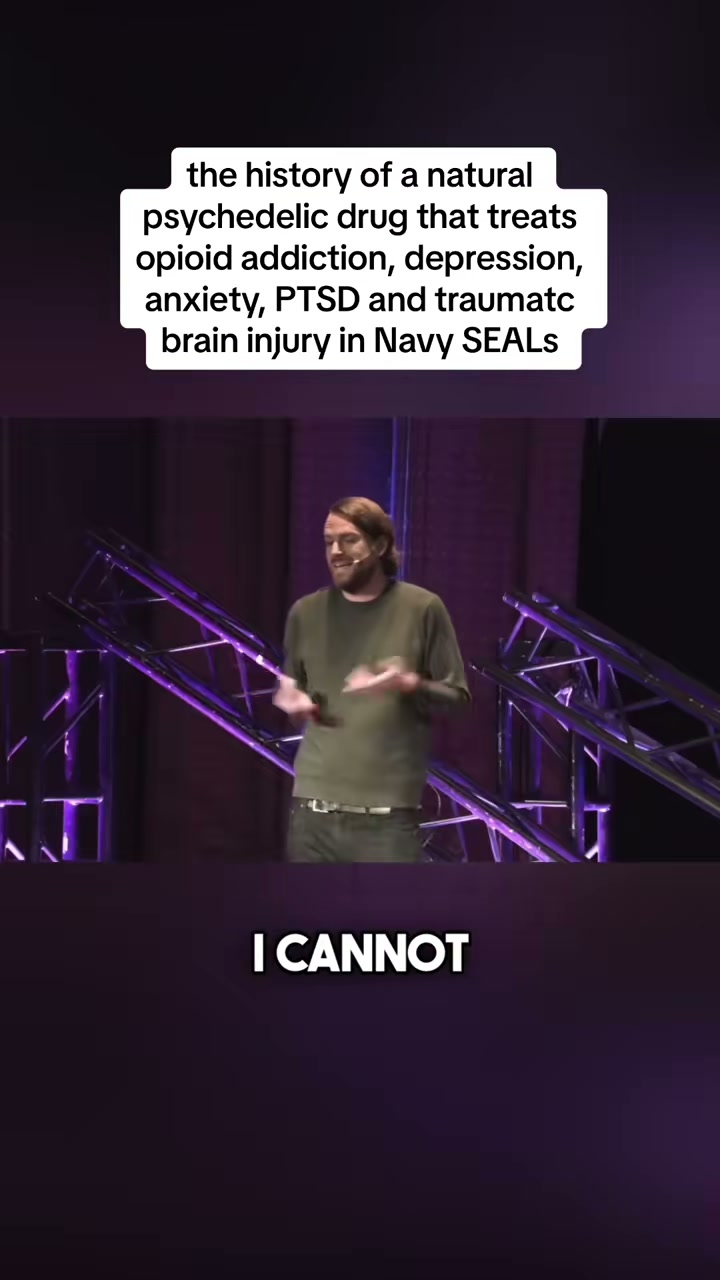
why is this a Schedule 1 substance in the U.S?  Dr. Nolan Williams and his team from Stanford University found that psychedelic ibogaine could effectively treat TBI and PTSD in Special Ops veterans while improving cognitive function. 🧠 This study is the first to look at ibogaine for traumatic brain injury (TBI) and PTSD in veterans, and based on researcher, Dr. Nolan Williams from Stanford University, it shows remarkable results – results so remarkable, he noted that when he first read the results of the study, he had his post-doc immediately rewrite them 🤯   Using a combination of MRIs and observational studies, from 3 days to 6 months post-treatment, the research showed a steady leveling of symptoms in participants, following a single ibogaine flood treatment. The single treatment also led to increases in neuroplasticity and decreases in depression and anxiety among the veterans who participated in the study. But one of the most remarkable things the study showed was the objective increase in the mass of white matter in the brain. Dr. Williams called this “the Benjamin Buttoning” of the brain by 1.37 years 🧠 #tedtalk #psychedelicresearch #psychedelictherapy #psychedelicrenaissance #psychedelicresearcher #stanford #ibogaine #ibogainetreatment #traumaticbraininjury #traumaticbraininjuryawareness #traumaticbraininjurysurvivor #navyseals

Video Unavailable

This video could not be downloaded.

View Original
TIKTOK

why is this a Schedule 1 substance in the U.S? Dr. Nolan Williams and his team from Stanford University found that psychedelic ibogaine could effectively treat TBI and PTSD in Special Ops veterans while improving cognitive function. 🧠 This study is the first to look at ibogaine for traumatic brain injury (TBI) and PTSD in veterans, and based on researcher, Dr. Nolan Williams from Stanford University, it shows remarkable results – results so remarkable, he noted that when he first read the results of the study, he had his post-doc immediately rewrite them 🤯   Using a combination of MRIs and observational studies, from 3 days to 6 months post-treatment, the research showed a steady leveling of symptoms in participants, following a single ibogaine flood treatment. The single treatment also led to increases in neuroplasticity and decreases in depression and anxiety among the veterans who participated in the study. But one of the most remarkable things the study showed was the objective increase in the mass of white matter in the brain. Dr. Williams called this “the Benjamin Buttoning” of the brain by 1.37 years 🧠 #tedtalk #psychedelicresearch #psychedelictherapy #psychedelicrenaissance #psychedelicresearcher #stanford #ibogaine #ibogainetreatment #traumaticbraininjury #traumaticbraininjuryawareness #traumaticbraininjurysurvivor #navyseals

2:30 Jun 08, 2025 229,500 10,300
@beond.us
340 words
As a physician, I cannot prescribe a psychedelic medicine in the United States today. Let's take an example. The Tabernath iboga rainforest shrub of central West Africa has been used by the Gabonese people for centuries. The tribe that uses these are called the Bwiti, and they grind up the root bark and then they ingest it. The French in 1899 took this iboga root bark, brought it back to France, isolated one of the primary alkaloids, this ibogaine alkaloid, took the ibogaine alkaloid, started treating people in France for depression and anxiety. Makes sense, right? And then the French had their own version of the Controlled Substance Act, banned just like the U.S. No medicinal value, not prescribable in France anymore. So ibogaine went underground, started treating people with opiate use disorder. But most recently, the modern day sailors, the Navy SEALs. Navy SEALs and Army Rangers and Special Forces operators have been stricken by a new plague, traumatic brain injury, the signature injury of the Iraq and Afghan conflict. And with it, post-traumatic stress disorder, depression, anxiety, and suicidal thinking. More people die from suicide than they die on the battlefield these days, and so we decided to do a study. Everybody had traumatic brain injury, and most of them had post-traumatic stress disorder, met criteria for post-traumatic stress disorder before they went down there. None of them met criteria for post-traumatic stress disorder when they got back. Most of them held it, 88% reduction in symptoms by the one-month mark. That's not all. Similar reductions in anxiety, depression. And here's the real dramatic finding. Disability from traumatic brain injury thought to be a structural problem in the brain. Everybody at the one-month mark lost their disability from traumatic brain injury. This is a profound neurotrophic factor up-regulator in the brain. But what's even more remarkable about this is the psychological effect, the subjective effect. People are capable of going through past autobiographically relevant emotionally salient memories and reprocessing them, looking at them again in an objective framework.

No AI insights yet

Save videos. Search everything.

Build your personal library of inspiration. Find any quote, hook, or idea in seconds.

Create Free Account No credit card required
Original